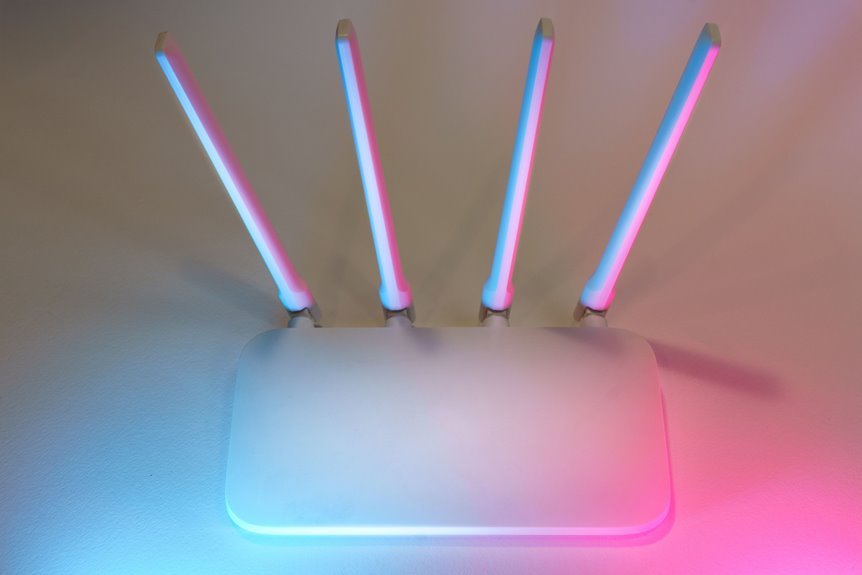
168.15.130 Router Configuration and Login Guide
The 168.15.130 Router Configuration and Login Guide outlines practical steps for securing home and small-office networks. It covers accessing the admin panel, naming and securing Wi‑Fi, and enforcing strong authentication. The guide details guest and parental controls, device isolation, scheduling, and VLAN options. It emphasizes wired connections for setup, verified router IPs, and current browsers. Policy consistency and logging are highlighted, but the path to a robust setup invites closer inspection to ensure all pieces fit together.
What Is the 168.15.130 Router and What You’Ll Need
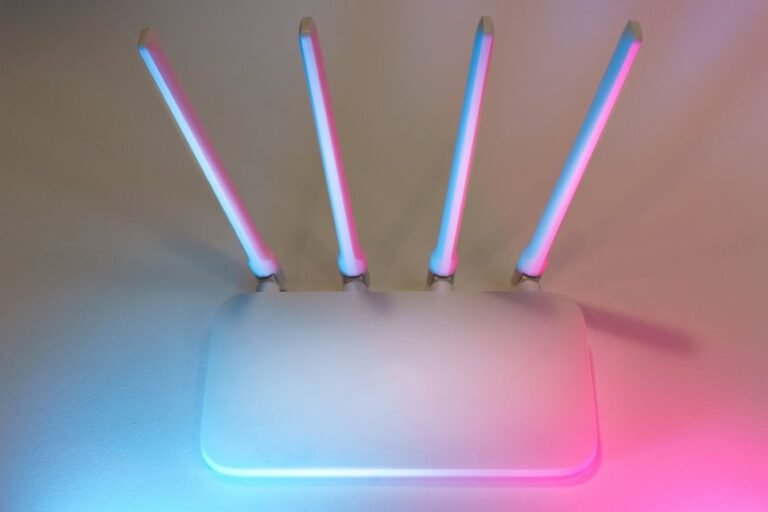
The 168.15.130 router refers to a specific network device used to manage local connections and internet access within a home or small office. This piece offers a concept overview and outlines essential components, such as firmware, IP addressing, and ports. Security considerations are highlighted, including basic threat awareness and routine maintenance, to support informed, freedom‑driven setup decisions.
How to Access the Admin Panel Securely
To begin securely provisioning the device, users should access the admin panel through a wired or trusted, encrypted connection and verify the router’s IP address in the browser’s address bar.
A secure login is required, with strong credentials and unique passwords.
Maintain browser safety by enabling updates, avoiding extensions, and denying unauthenticated access attempts.
This approach preserves freedom and control.
Set Up Wi‑Fi Name, Password, and Security Basics
Setting up the wireless network begins with selecting a distinct SSID and a strong passphrase, then configuring basic security features to protect against unauthorized access.
The process outlines set up wifi steps, clarifies password basics, and establishes encryption, WPA2 or higher, and device isolation.
It remains focused on foundational actions, avoiding unrelated topics and preserving freedom through clear, practical configuration.
different topics?
Fine‑Tuning Network Rules and Parental/Guest Access
Fine‑tuning network rules and managing parental or guest access involves defining access controls, scheduling, and isolated networks to balance usability with security.
The guide outlines precise parameters for fine tuning, parental access, and guest access, detailing rule sets, time windows, and VLAN segmentation.
It emphasizes consistent policy enforcement, clear logging, and minimal exposure while preserving flexibility for trusted users and guests.
Frequently Asked Questions
How to Reset the Router to Factory Defaults?
The reset procedure restores the device to factory settings. It requires holding the reset button briefly, then confirming reboot. Afterward, perform a firmware backup before reconfiguring. Ensure default credentials are used and security options updated.
What Do LED Indicators Mean on the Front Panel?
Illumination as metaphor: LED indicators convey status on the front panel. They reflect link activity, power, and errors. For reset procedures, factory defaults restore baseline behaviors; indicators may flash during reboot and then stabilize after configuration.
How to Update the Router Firmware Manually?
The question: updating firmware manually requires a manual upgrade process. The user should download the firmware, access the router’s web interface, navigate to the firmware section, choose the manual upgrade option, upload the file, and confirm the update.
Can I Change the Router’s IP Address Range?
Yes, it is possible to change the router’s IP address range. The process involves accessing the admin interface, adjusting the LAN subnet, and saving changes. Afterward, prompt users to change password and manage devices on the guest network.
How to Back up and Restores Its Configuration File?
Back up procedures: access the router’s admin page, export firmware backup and configuration restore files. Then follow restore steps precisely: power cycle, select restored file, confirm prompts, and verify settings after restoration. This preserves freedom and functionality.
Conclusion
In the quiet hum of a well-tuned network, the 168.15.130 guide stands as a lantern—steady, precise, and unassuming. Each step, from secure login to guest lanes, threads a careful needle through risk toward reliability. Settings align like a clockwork lattice: IPs verified, passwords forged, encryption solidified, and policies enforced with calm discipline. When routine is respected and boundaries clearly drawn, connectivity becomes a trusted habit, not a vulnerability, empowering every device to flourish within a safeguarded home.