168.162 Router Network Setup Guide
The 168.162 Router Network Setup Guide presents a structured approach to building a reliable home or small-office network. It defines the role of routing devices, outlines initial unboxing and setup, and emphasizes secure Wi‑Fi with strong authentication and current encryption. The guide highlights firmware maintenance, diagnostics, and a clear upgrade path. It prioritizes security, auditable steps, and resilient operations. A disciplined, methodical path awaits those seeking stable connectivity and a predictable upgrade trajectory.
What Is the 168.162 Router and Why It Matters
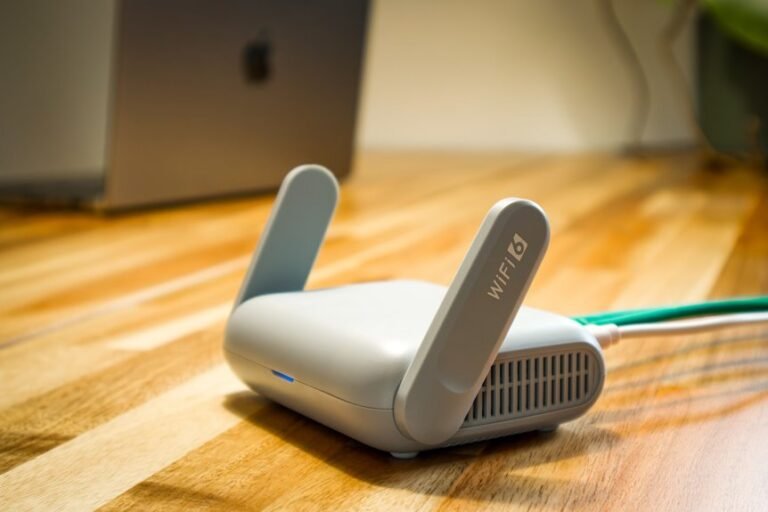
The 168.162 router is a networking device that directs data traffic within a local network and to external networks via the internet. It functions as a bridge between devices and the wider web, enforcing routing rules and security policies.
What is: 168.162, Why it matters: Router network, are essential concepts for reliable, flexible, and autonomous connectivity.
Unbox, Connect, and Initial Setup for Fast Internet
Unboxings typically begin with a verification of contents, followed by a systematic hardware inspection to ensure all components are present and undamaged.
The process documents the unboxing experience, then proceeds to connect power, modem, and downstream devices, enabling initial configuration.
Focus remains on network security basics, firmware maintenance, and a precise, efficient setup trajectory for rapid, reliable Internet access.
Harden Security and Configure Wi-Fi With Best Practices
Preparing to bolster the network’s defenses, this section outlines hardened security measures and Wi-Fi configuration best practices for the 168.162 router. The guide emphasizes harden security through strong authentication, updated encryption, and minimized exposure. It prescribes configure wi fi with SSID secrecy, robust passphrases, segmented guest networks, and regular monitoring. Clear, auditable steps ensure resilient, autonomous operation without sacrificing freedom.
Update Firmware, Diagnose Issues, and Keep Your Network Reliable
Which firmware versions are currently supported, and how can they be efficiently updated to maintain router reliability? This section describes systematic procedures for upgrade cadence and issue diagnostics, emphasizing reliability through timely vendor support and validated firmware paths. It outlines differentiation between recommended and optional updates, enabling proactive maintenance, rollback plans, and transparent changelogs to sustain stable network performance and user autonomy.
Frequently Asked Questions
Can 168.162 Support Mesh Networking Setups?
Yes, 168.162 supports mesh networking configurations, enabling scalable coverage. It can distribute guest SSIDs across nodes, maintaining consistent access. The system allows segmented networks, with mesh topology sustaining performance while isolating guest SSIDs from core infrastructure.
How to Port-Forward for Gaming on 168.162?
Port forwarding basics involve mapping internal ports to a gaming device’s IP, enabling direct inbound connections; for gaming optimization, ensure DMZ or UPnP is used cautiously, with static IPs and port ranges.
Does 168.162 Support Alternating SSIDS for Guests?
168.162 does not natively support alternating SSIDs for guests; however, it can be approximated by configuring separate guest networks with distinct SSIDs and isolated VLANs. This satirical note underscores practical, freedom-oriented network segmentation over impractical alternation.
What Parental Controls Are Available on 168.162?
Parental controls are limited on 168.162. They provide basic filtering and time-based access, outlined in a feature overview. For router security, these controls are separate but integrated, offering a cautious balance between control and freedom.
How to Recover a Misconfigured 168.162 Router?
To recover a misconfigured 168.162 router, perform a factory reset, then reflash the correct firmware through the official tool, avoiding invalid port forwarding settings and noting guest network limitations while maintaining a stance of controlled, deliberate configuration.
Conclusion
In a precise, structured stance, the guide frames a robust network as both shield and scaffold. Juxtaposing orderly setup with vigilant assessment, it contrasts unboxing anticipation with ongoing diagnostics. The router becomes a quiet backbone, delivering steady access while demanding proactive updates. Security and transparency stand beside resilience and routine maintenance, each reinforcing the other. The result is a dependable, adaptable system: secure access, auditable steps, and uninterrupted connectivity—crafted through disciplined preparation and disciplined execution.