Identifying Typical Issues Around 1-866-743-8547 and Correcting Them
Identifying typical issues around 1-866-743-8547 requires a structured approach. Quick network checks reveal latency, jitter, and packet loss that degrade calls. Device firmware and authentication logs are reviewed for anomalies, while caller data and routing are screened for spoofing indicators. Immediate remediation targets the network, hardware, or spoof sources, with findings documented to support escalation. The process points toward proactive safeguards, yet a critical step remains that could shape the next actions.
What to Expect From 1-866-743-8547: Common Call Issues and Signs
Initial expectations for calls from 1-866-743-8547 typically center on transient anomalies rather than persistent faults: callers may encounter dropped connections, garbled audio, or delayed transmission, with signs including brief silence, echo, or repeated call attempts.
Inbound clarity hinges on consistent caller verification, quick network health assessment, and vigilance for spoofing signs to distinguish lapses from fraud or interference.
Diagnosing Root Causes: Network, Device, and Spoofing Indicators
Diagnostic evaluation starts with distinguishing whether faults originate from the network, the device, or spoofing attempts, guiding targeted remediation.
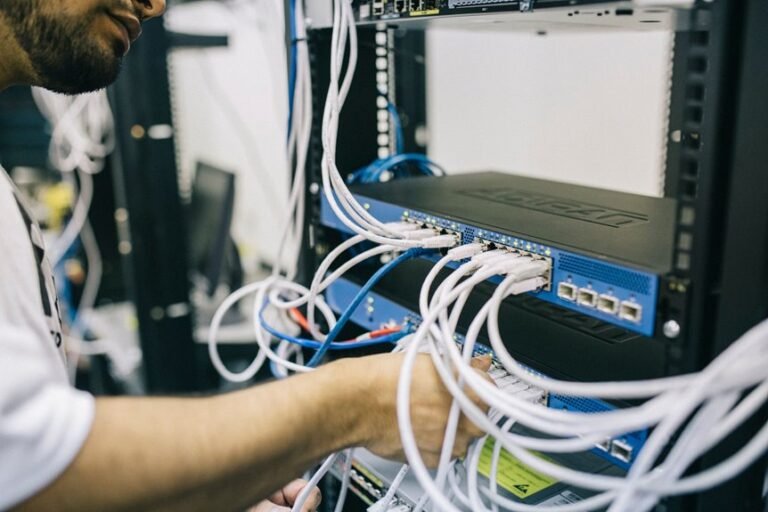
Network diagnostics focus on latency, packet loss, and route anomalies, while device indicators include firmware status, authentication errors, and resource saturation.
Spoofing indicators manifest as inconsistencies in caller data and unexpected routing.
Clear separation enables precise remediation and safer, more reliable communications.
Fixes That Work Now: Quick Steps for Quality Calls, Fraud Awareness, and Billing Sanity Checks
From the earlier diagnostic focus on distinguishing network, device, and spoofing sources, practical remedial steps are outlined to address each domain directly.
The quick fixes emphasize fraud awareness and billing sanity, pairing immediate checks with structured confirmation.
Network troubleshooting highlights signal, routing, and call-path clarity; device indicators police unusual behavior; proactive logging supports rapid review and escalation when anomalies appear.
Proactive Safeguards: Ongoing Monitoring, Documentation, and When to Escalate
Proactive safeguards rely on continuous monitoring, meticulous documentation, and clear escalation criteria to sustain trust in call integrity and fraud defense.
Ongoing monitoring analyzes incoming call patterns for anomalies, while documentation creates an auditable trail of events, decisions, and outcomes.
Escalation triggers ensure timely intervention when caller ID spoofing or irregularities emerge, preserving security without stifling operational freedom.
Frequently Asked Questions
How Can I Verify the Legitimacy of Calls From This Number?
The entity advises verifying legitimacy by checking caller ID consistency, seeking corroborating contact methods, and noting unverified caller cues; watch for spoofing indicators such as mismatched numbers, urgent requests, or unusual persistence before sharing sensitive information.
What Privacy Steps Protect My Personal Data During Calls?
Privacy protections safeguard personal data; call encryption and privacy controls reduce exposure. The user should expect data minimization practices to limit collected details, with transparent policies and robust safeguards guiding consent, storage, and access for freedom-respecting communications.
Which Carriers Commonly Block or Flag This Number?
Which carriers block, flagging unknown numbers including 1-866-743-8547; verification is essential. How to verify legitimacy, calls should be cross-checked with official carrier notices, caller ID, and independent databases. Freedom-minded users seek transparent, trustworthy screening practices.
How Do I Report Suspicious Activity Effectively?
“Forewarned is forearmed.” He reports suspicious activity by following official channels, preserving logs, and contacting consumer protection. The method details how to report scams and how to verify caller identity, ensuring accurate escalation and rapid, autonomous action.
What Are Common Signs of Voip Spoofing to Watch For?
VoIP security insight indicates common spoofing indicators such as inconsistent call metadata and unfamiliar or mismatched caller IDs; beware caller ID manipulation pitfalls, including rapid source changes and unexpected routing. Vigilance aids freedom from deceptive communications.
Conclusion
Conclusion:
In sum, diagnosing issues around 1-866-743-8547 hinges on quick network checks, firmware/authentication reviews, and vigilant spoofing indicators. By isolating root causes—network, device, or deception—techniques yield targeted fixes that restore call quality, curb fraud, and verify billing. Maintaining concise documentation and continuous monitoring ensures timely escalation when anomalies persist. Like a medical triage, the process prioritizes rapid, data-driven decisions to safeguard reliability and trust in communications.