
Resolving Frequent Issues With 8018775491 Through Simple Methods
Resolving frequent issues with 8018775491 can be approached through simple, practical steps. The process starts with verifying caller legitimacy before engagement and logging each interaction for auditability. Automated screening and dynamic blacklists help quarantine dubious messages while preserving legitimate contact. Verifying numbers ensures accurate routing and authentication, reducing misrouting risks. Clear policies for blocking or redirecting calls should be transparent, with auditable validation data and controllable routing options to keep operations secure, efficient, and scalable as issues emerge.
What to Do First When 8018775491 Calls?
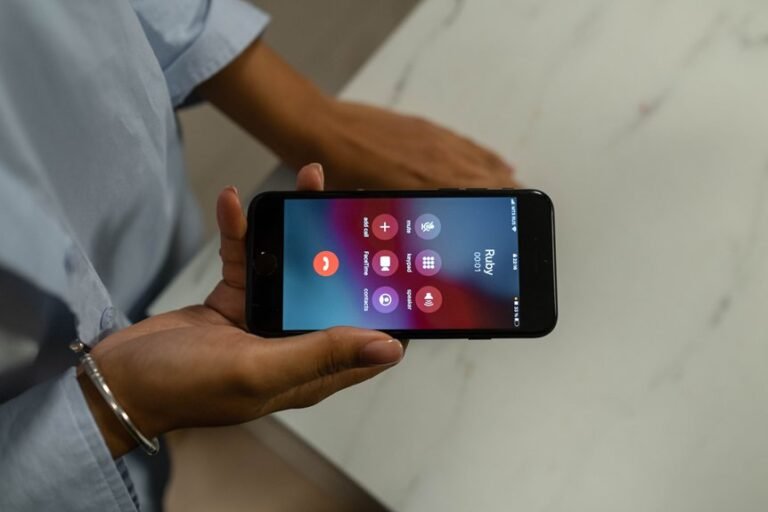
When 8018775491 calls, the initial step is to determine the caller’s legitimacy before any interaction proceeds. The protocol emphasizes unwanted call prevention and structured verification. Implement caller ID verification to assess authenticity, log the moment, and halt suspicious inputs.
Clear, concise procedures minimize risk, enabling autonomous decision making while preserving freedom to engage only with verified communicators.
How to Filter Spam and Unwanted Messages
To continue from the prior step of validating the caller, the next focus is to filter spam and unwanted messages efficiently.
The approach emphasizes passive defense and user autonomy, leveraging ignore messaging and robust spam filters.
Technical controls sort, quarantine, or delete suspicious content while preserving legitimate communication.
Transparent criteria, regular updates, and audit trails ensure reliable, freedom-preserving message management.
Verifying the Number and Contact Details
Verifying the number and contact details is essential to ensure accurate routing and authentication of communications. The process supports receiving calls with verified identifiers, enabling reliable caller verification while minimizing ambiguity.
Accurate data improves filtering spam, reduces misrouting, and enhances message management. Consistent records allow systems to classify inquiries, prioritize responses, and preserve access control, maintaining freedom through transparent, auditable contact validation.
Quick Fixes to Block or Redirect Future Calls
Quick fixes to block or redirect future calls focus on proactive filtration and routing rules that minimize unwanted contact. The approach emphasizes automated screening, caller ID verification, and dynamic blacklists.
Analysts encourage ignore spam calls, verify number details, ignore spam calls, verify number details, and update filters as patterns evolve.
Result: reduced interruptions with transparent policy and controllable call routing.
Frequently Asked Questions
Can 8018775491 Be Tracked Legally in My Country?
The question: legally track 8018775491 in one’s country depends on local laws; unlawful tracking violates privacy rights, and compliance requires lawful authorization. Privacy rights protect individuals; actions must be transparent, voluntary, and within statutory limits to avoid penalties.
What Are the Best Third-Party Apps for Blocking?
Blocking apps and call filtering are best handled by reputable tools like built-in OS features or trusted third-party blockers. They evaluate privacy impact, offer control, and respect user freedom while enabling effective blocking apps and call filtering.
Will Blocking the Number Affect Legitimate Calls?
Blocking calls may deter legitimate calls; however, safeguards exist to minimize impact. The approach balances blocking calls with monitoring, ensuring legitimate concerns are addressed while maintaining control over unwanted communications. This yields freedom without compromising essential contact needs.
How to Report This Number to Authorities or Carriers?
Audiences wonder, “how to report this number?” The answer: initiate the reporting process with local authorities or the carrier; contact the carrier via official channels, noting privacy implications and international calls, clarifying reporting process steps and required details.
Can Voip or International Calls Bypass Basic Filters?
VoIP or international calls may bypass basic filters, but defenders deploy layered controls: spam sources feed into call routing analyses, with filtering rules and reputation scoring limiting exposure. Overall, bypass attempts trigger alerts and rigorous scrutiny.
Conclusion
The article concludes with a measured cadence: a gatekeeper’s ensemble of checks, filters, and logs. Like a compass guiding ships, verification and auditable records steer operations toward accuracy. Spam fences rise in measured rows, while automated screening hums with transparent policy. Blocking or redirecting becomes a practiced rhythm, not a reflex. In this steady sequence, suspicious inputs are quarantined without silencing legitimate voices, and controllable routing keeps the system secure, efficient, and audibly reliable.