168.16.101 Router Login and Network Settings Guide
The guide on 168.16.101 router login and network settings presents a precise, stepwise approach to initial access and ongoing management. It covers how to reach the authentication page, perform essential first-time checks, and configure stable WAN, LAN, and DHCP parameters. Security steps are outlined, including strong admin passwords and WPA3. The document also addresses service hardening, parental controls, and auditing. It remains concise yet leaves a clear incentive to continue for implementation details.
How to Access the 168.16.101 Router Login Page
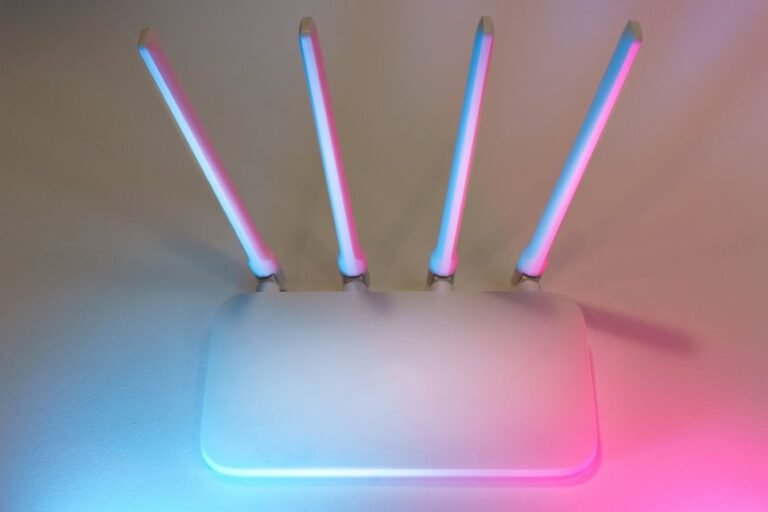
To access the 168.16.101 router login page, open a web browser and enter http://168.16.101 or https://168.16.101 into the address bar. The page presents authentication prompts and status indicators, enabling controlled access. Aesthetic customization options may be available post-login, while Cloud based management features facilitate remote oversight. Security practices safeguard credentials without compromising user freedom and transparency.
Quick Start: Essential Network Settings for First-Time Setup
Initial steps in a first-time setup focus on establishing a reliable base configuration: verify the WAN connection, set a unique admin password, and configure the router’s time and firmware settings.
The quick-start emphasizes deterministic parameters: correct LAN addressing, DHCP range, and basic IPv4/IPv6 stability.
Two word, two word, discussion ideas are not relevant to the listed H2s.
Strengthen Wi‑Fi Security and IP Management
Strengthen Wi‑Fi security and IP management entails a disciplined approach to safeguarding wireless access and ensuring stable address assignment. Network hardening procedures mitigate exposure, enforce WPA3 where possible, and disable unused services. Device segmentation limits lateral movement and simplifies monitoring.
Precise DHCP scope configuration prevents address conflicts, while consistent auditing tracks anomalies, supporting resilient, freedom‑friendly network governance.
Parental Controls, Access Scheduling, and Content Filtering
Parental controls, access scheduling, and content filtering provide structured governance over network use by delineating permissible activity, timing, and material.
The configuration enforces policy boundaries without impeding autonomy.
Parental controls specify user or device limits; access scheduling enforces time windows; content filtering blocks inappropriate sites.
Together, these features enhance network security while preserving flexibility and freedom for informed, responsible access.
Frequently Asked Questions
How Do I Backup and Restore Router Configuration?
To backup configuration, access the router’s administration interface, locate the System or Maintenance section, and select “Backup” to save a file. To restore settings, choose “Restore” and upload the saved file, confirming prompts for verification.
Can I Update Firmware Manually Without Auto-Check?
Yes, firmware manual updates are possible via manual upgrade. The process involves downloading the correct firmware, accessing the router’s administration interface, selecting firmware upgrade, and validating integrity; enable security logging for traceability during the manual upgrade.
What Logs Are Generated and How to View Them?
Logs include system events, access attempts, and configuration changes; they can be viewed via the router’s admin UI or SSH, with filtering by date, type, and user. Logs access is protected; log retention settings determine archival spans.
How to Reset to Factory Defaults Without Losing WAN Settings?
A visual, stepwise outline shows: perform a reset to factory defaults carefully; access console, press and hold reset, confirm with WAN settings preserved via selective reset. The procedure achieves factory reset while maintaining selected WAN configuration.
Is There a Guest Network Isolation Feature?
Yes, the device supports guest isolation, enabling separate traffic and limited access for guest devices, which enhances guest network security by preventing inter-device communication and access to the main LAN.
Conclusion
In the quiet hum of the gateway, the 168.16.101 device stands as sentry at the digital doorway. Configured walls—firm admin passwords, deterministic DHCP ranges, and vigilant WAN/VLAN guards—anchor a stable, predictable network. IPv4 and IPv6 paths converge like braided cables, while WPA3 lanterns illuminate secure wireless corridors. Parental controls and audits act as weathered yet faithful watchtowers, deflecting storms of misconfiguration. When settings are precise, the network breathes: calm, connected, and resilient against every creeping glitch.