
168.13 Router Login and Configuration Guide
Access to the 168.13 router requires a stable link and correct login credentials. The guide outlines where to reach the login page, how to verify valid credentials, and the initial security steps to take. It then details essential network and Wi-Fi configurations, plus a structured approach to troubleshooting. The framework emphasizes centralized credential management, firmware updates, and policy enforcement, while noting potential pitfalls that merit careful handling before making changes. A focused, disciplined approach invites further examination.
How to Access the 168.13 Router Login Page
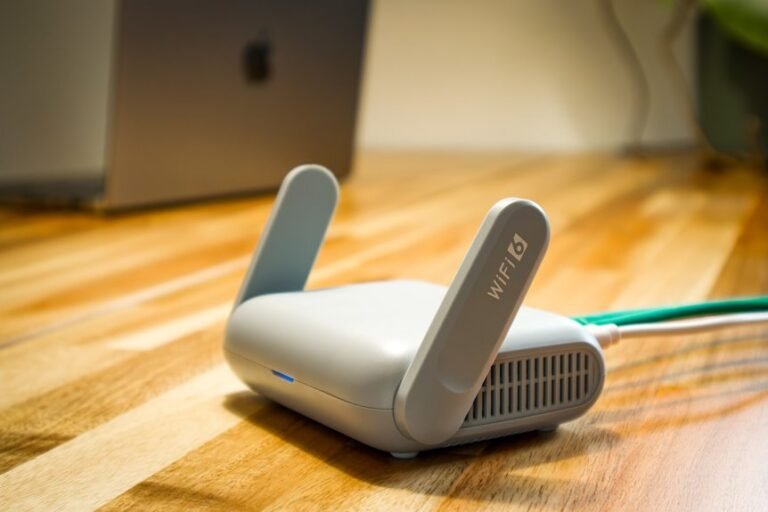
To access the 168.13 router login page, users should connect a computer or device to the router via Ethernet or ensure a stable wireless connection to the same network.
The login process requires entering the correct IP address or host URL, followed by valid credentials.
This procedure standardizes router access, ensuring secure and authorized configuration changes.
Identify Valid 168.13 Credentials and Security Basics
Users must verify that login credentials and security settings are appropriate before performing any configuration. The procedure emphasizes identifying credentials and establishing baseline access controls. Administrators should register trusted accounts, rotate passwords regularly, and enable strong encryption. When identifying credentials, document roles and permissions; during configuring security, implement least-privilege access, audit trails, and periodic reviews to maintain a secure, controllable environment.
Essential 168.13 Wi-Fi and Network Settings You Need to Configure
Configurability of 168.13 Wi‑Fi and network settings focuses on establishing a secure, efficient, and reliable wireless environment. The section outlines essential configuration items for optimal operation, including network planning and device discovery, ensuring predictable performance and scalable growth. It emphasizes centralized credential management, SSID segmentation, and policy enforcement, while preserving freedom to modify parameters within approved security boundaries.
Troubleshooting Common 168.13 Router Issues and Quick Fixes
Despite its robust design, 168.13 routers occasionally exhibit issues that hinder connectivity or performance; this section enumerates common problems and presents concise remedies. Common problems include intermittent dropouts, slow throughput, and degraded Wi-Fi range, with fixes such as firmware updates, reset sequences, channel optimization, and security reassessment. Note unrelated topic and off topic ideas should not distract technical focus.
Frequently Asked Questions
Can I Change the Router’s Default IP Address?
Yes, it is possible to change the router’s default IP address. The procedure involves accessing admin settings, selecting network/LAN, and applying a new IP while preserving connectivity; perform firmwareUpdate if required before applying changes to prevent boot issues.
How Do I Update the Router Firmware Manually?
The update procedure requires downloading the official firmware, verifying its integrity, and uploading it via the router’s admin interface; a staged update ensures firmware integrity and minimizes risk, preserving device stability while granting controlled freedom to modify.
What Parental Control Options Does 168.13 Offer?
Parental controls and content filtering are available with 168.13, allowing administrators to enforce site and category blocks. It is precise, authoritative, and flexible, designed for users seeking freedom while maintaining control over access to online resources.
Is Port Forwarding Supported on This Model?
Yes, port forwarding is supported on this model. It enables external access to internal devices. Parental controls remain separate, but a dedicated port forwarding section exists. The guide emphasizes precise, technical configuration for users seeking freedom and control.
How Can I Back up and Restore Router Settings?
Backups are essential; to back up and restore settings, pursue reliable backups best practices and restoration considerations. The procedure should be documented, versioned, and tested, ensuring secure storage and integrity, enabling rapid recovery while preserving network freedom and control.
Conclusion
In sum, the 168.13 router is a fortress guarded by learned passwords and vigilant firmware. The login page welcomes those with proper credentials, while robust security practices keep intruders at bay. Network settings—from SSID segmentation to encryption—are the noble armor. When issues arise, the device offers quiet, configure-friendly fixes rather than melodrama. Congratulations: you’ve mastered the art of invisible guardianship, where every click preserves order, efficiency, and the illusion that reliability is merely a few keystrokes away.