169.254.254 Router Login and Network Configuration Guide
The guide on 169.254.254 router login and network configuration adopts a practical, local-first stance. It defines when to expect a link-local address, outlines safe first-time access, and emphasizes verification of device identity plus changing defaults. Steps are presented in a methodical sequence: assess reachability, update firmware, document baselines, and configure wireless with clear naming. It concludes with security hardening and ongoing optimization, inviting further investigation into adapting the workflow for reliable, scalable home networks.
What Is a 169.254.254 Address and When to Expect It
A 169.254.254 address is a link-local IP used by devices to communicate on a local network segment when a DHCP server is unavailable or unreachable.
The 169.254.254 address appears automatically, enabling neighbor discovery and basic connectivity within the link local scope.
This mechanism supports autonomous configuration, ensuring continued access for essential services within the limited network context.
How to Safely Log In to Your Router for the First Time
When a device has used the 169.254.254 link-local address in the absence of a DHCP server, the router’s initial access typically occurs through a default IP and standard credentials documented by the manufacturer.
For a first time login, verify device identity, change default credentials promptly, and configure basic router security settings before enabling broader network features, maintaining clear, intentional control over access.
Step-by-Step Network and Wireless Setup for Reliable Home Access
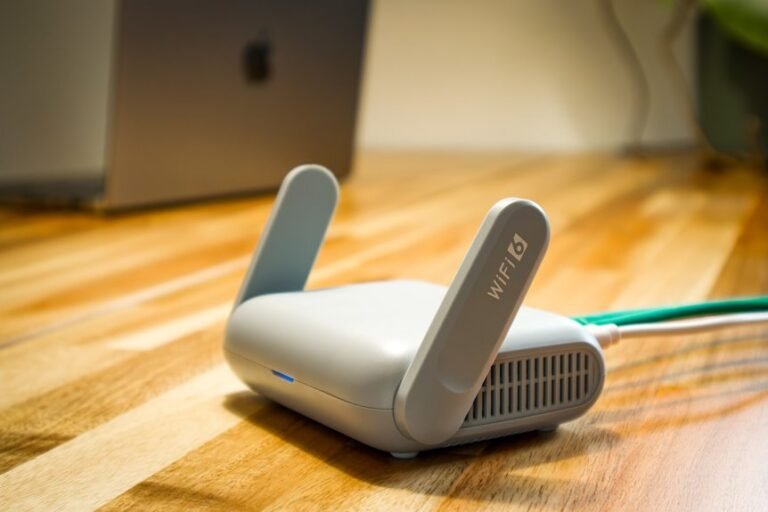
To establish a reliable home network, begin with a systematic sequence: confirm the router is reachable via its local address, ensure firmware is up to date, and document the baseline settings before enabling wireless features.
Then establish consistent network naming, optimize device placement for signal strength, configure SSIDs, and implement simple, repeatable configuration steps for scalable, dependable access throughout the residence.
Protect, Troubleshoot, and Optimize Your Router and Network Security
Protecting and sustaining router and network security requires a disciplined approach that builds on verified connectivity and current configurations.
The guide outlines security auditing practices, timely firmware updates, and adherence to networking basics.
It emphasizes auditing logs, verifying access controls, and securing wireless configurations.
Systematic troubleshooting prioritizes threat reduction, configuration hardening, and continuous optimization, enabling freedom through reliable, resilient, and transparent network operation.
Frequently Asked Questions
Can a 169.254.254 Address Be Used for Gaming Consoles?
A 169.254.254 address is not suitable for gaming consoles in typical setups. It bypasses router NAT behavior, increasing gaming latency and causing unreliable connections; dedicated public or properly routed private addresses optimize console NAT and reduce latency.
What if I Forgot My Router’s Admin Password?
A locked mailbox hides behind a garden gate; the router’s admin password is forgotten. A reset procedure opens it again. Forgotten password prompts reset procedure steps, restoring access, then careful configuration, preserving autonomy and a secure, accessible network.
How Do I Reset a Router Without Losing Data?
A reset without data loss is possible by electing a soft reset or a guided firmware restore. Employ reset methods that preserve configuration; avoid full factory resets. Two word discussion ideas: data loss, reset methods; independent, precise, structured approach for freedom-seeking readers.
Do Mobile Devices Connect Differently to 169.254.254 Networks?
Mobile devices connect to 169.254.254.x similarly to other hosts, using link-local addressing without routers; however, behavior varies by OS. This analysis frames mobile device networking and 169.254.254 troubleshooting as methodical, structured, and freedom-oriented.
Can I Access Router Settings Remotely Over the Internet?
Remote access is possible with proper configuration, but it introduces Security risks; remote management should be protected by strong authentication, encrypted channels, and least-privilege access to minimize exposure while preserving user autonomy and control.
Conclusion
This guide emphasizes a disciplined, repeatable approach to 169.254.254-based access, verification, and hardening. By verifying identity, updating firmware, documenting baselines, and configuring clearly named SSIDs, users establish reliable, localized control even when DHCP is unavailable. Devices are positioned for optimal coverage, and security audits are conducted regularly. A focused, methodical process minimizes downtime and vulnerabilities. In short, disciplined execution ensures resilient networks; neglect can derail connectivity in a heartbeat—an undeniable guarantee of fragility without proper safeguards.